

In Denmark
Danish Design is a style of functionalistic design and architecture that was developed in mid-20th century. Influenced by the German Bauhaus school, many Danish designers used the new industrial technologies, combined with ideas of simplicity and functionalism to design buildings, furniture and household objects, many of which have become iconic and are still in use and production, such as Arne Jacobsen’s 1958 Egg chair and Poul Henningsen’s 1926 PH-lamps. After the Second World War, conditions in Denmark were ideally suited to success in design. The emphasis was on furniture but architecture, silver, ceramics, glass and textiles also benefitted from the trend. Denmark’s late industrialisation combined with a tradition of high-quality craftsmanship formed the basis of gradual progress towards industrial production.
In Finland
Finnish design spans clothing, engineering design, furniture, glass, lighting, textiles, and household products. The “Design from Finland” mark was created in 2011. Finland’s Design Museum (formerly called the Museum of Art and Design) has a collection founded in 1873, while Helsinki’s University of Art and Design, established in 1871, now forms part of Aalto University.
In Iceland
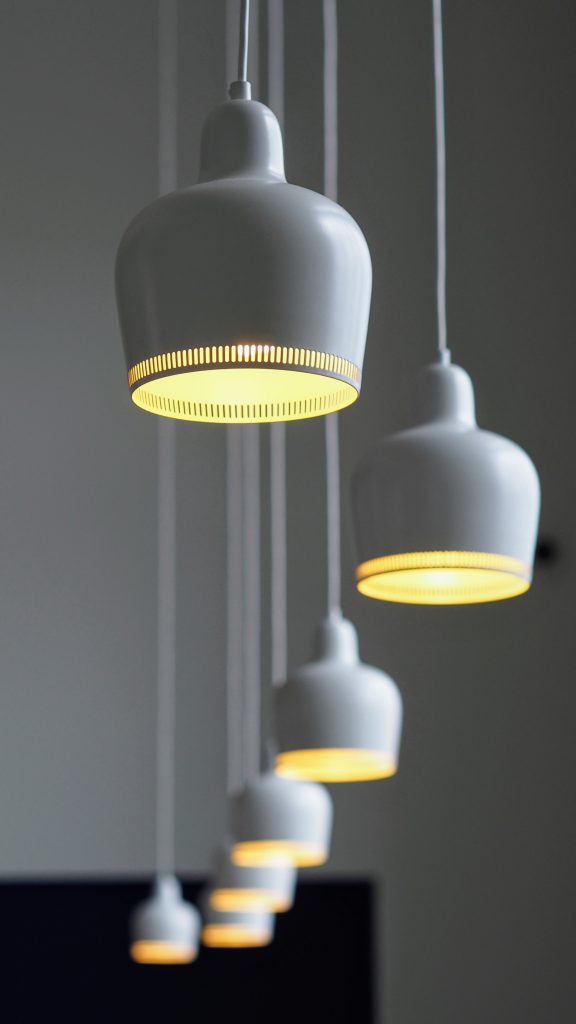
Design in Iceland is a relatively young tradition, starting in the 1950s but now growing rapidly. The country’s limited options for manufacturing and its constrained choice of materials have both forced designers to be innovative, though wool remains a staple material, whether felted or knitted. Iceland’s Museum of Design and Applied Art, aiming to record Icelandic design from 1900 onwards, opened in 1998. The Iceland Academy of the Arts was also founded in 1998, soon followed by its Faculty of Architecture and Design, which has promoted a distinctively Icelandic character in the nation’s design.
In Norway
Norwegian design has a strong minimalist aesthetic. Designed items include lamps and furniture. Qualities emphasised include durability, beauty, functionality, simplicity, and natural forms.
The Norwegian Centre for Design and Architecture, “DogA”, is housed in a former transformer station in Oslo. Norway holds an annual design exhibition called “100% Norway” at the London Design Fair.
In Sweden
Swedish design is considered minimalist, with an emphasis on functionality and simple clean lines. This has applied especially to furniture. Sweden is known for traditional crafts including glass and Sami handicrafts. Swedish design was pioneered by Anders Beckman [sv] (graphics), Bruno Mathsson (furniture), Märta Måås-Fjetterström and Astrid Sampe (textiles), and Sixten Sason (industrial).
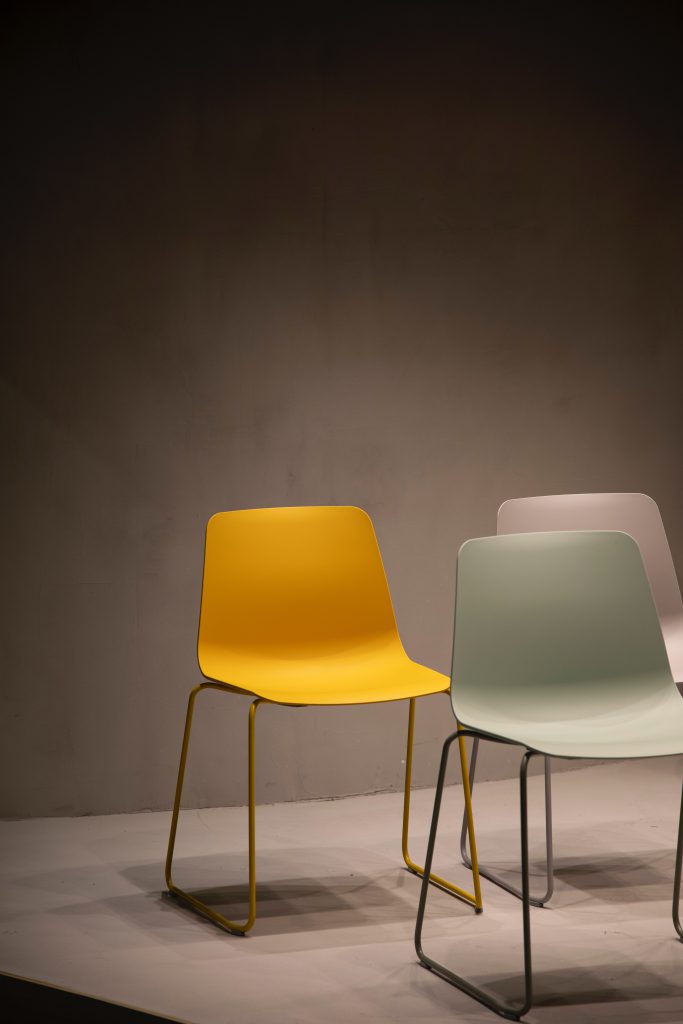
Organisations that promote design in Sweden are Svensk Form [sv], the Swedish Society of Crafts and Design, founded in 1845; the Swedish Industrial Design Foundation [sv], known as SVID; the Swedish Arts Council; and the Swedish Centre for Architecture and Design (known as ArkDes) on the island of Skeppsholmen in Stockholm, beside the modern art museum.